
Over time, the sleep-inducing effects of alcohol become less pronounced, requiring larger amounts to achieve the same sedative effect. You don’t have to choose between a drink and a good night’s sleep. By making some practical adjustments, you can achieve better sleep and a healthier relationship with alcohol. Instead of immediately breaking the drink habit, try alcohol-free alternatives. They taste the same, and the hops in alcohol-free beer can make you naturally sleepy without the side effects of alcohol ruining your sleep quality.
Breaking the Nightcap Habit: 4 Pillars Empowered Alcohol-Free System
Treating insomnia earlier can prevent further complications such as mental health disorders or poor work performance. Just like you set an alarm to wake up, it is equally crucial to maintain a regular sleep schedule. The body’s internal clock, also known as the circadian rhythm, thrives on consistency. Establishing a fixed bedtime and wake-up time assists the body in normalizing its sleep pattern, which is often disrupted during alcohol withdrawal.
How to Fall Asleep Without Drinking Alcohol?
- When alcohol has been introduced to the sleep cycle, the functions of the brain are impeded, and the cycles become disrupted.
- If you’ve ever leaned on alcohol to help you fall asleep, you’ve probably found yourself wide awake and anxious around 3 a.m.
- Understanding why do I sleep better without alcohol might provide extra motivation.
Whether it’s falling asleep or staying asleep that is giving you trouble, it can be frustrating and discouraging when you’re doing your best to stay sober. The consumption of alcohol is widely recognized for its initial sedative effects. Research indicates that alcohol significantly reduces total sleep time, sleep efficiency, and the percentage of time spent in rapid eye movement (REM) sleep.

The Cycle of Dependence and Tolerance
- As blood alcohol levels decline in the second half of the night, a rebound effect occurs, causing the nervous system to become hyper-aroused.
- However, as the body metabolizes alcohol throughout the night, it creates a rebound effect that leads to frequent awakenings, lighter sleep, and reduced REM sleep.
- However, alcohol actually disrupts normal sleep patterns and architecture, leading to poor-quality rest even when sleep seems to come easily.
- The collective wisdom of support groups can be the key to conquering insomnia.
Each stage serves important functions for physical and mental restoration. Alcohol significantly disrupts this natural progression, particularly affecting REM sleep, which is crucial for emotional regulation and cognitive function. If you’ve ever leaned on alcohol to help you fall asleep, you’ve probably found yourself wide awake and anxious around 3 a.m. Many people discover that what seems to be a sleepytime remedy quickly becomes a cycle of nightcaps, restless nights, and groggy mornings. By doing this, your internal body clock (circadian rhythm) falls into a familiar 24-hour cycle.
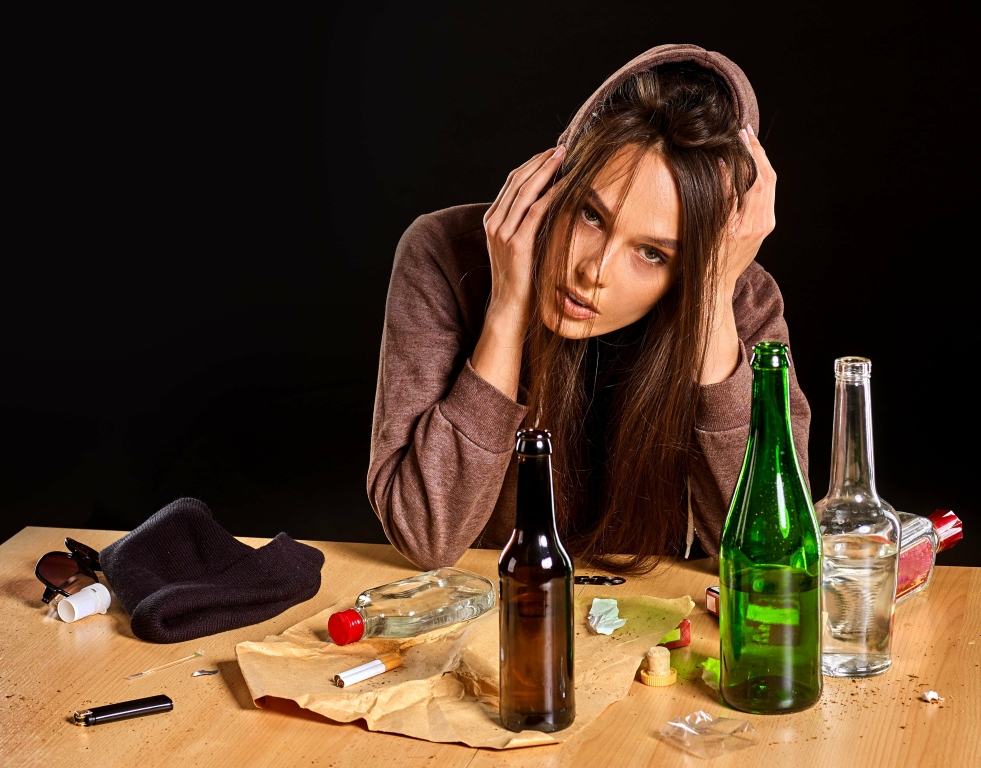
Can’t Sleep Without Alcohol? End Your Frustration With These Tips.
- Since insomnia is merely a symptom of biochemical imbalance caused by prolonged drinking and/or withdrawal, there is no one-size-fits-all approach.
- Experiment with different techniques to find what works best for you and incorporate them into your nightly routine.
- Initially, alcohol will entice you into believing it is good for you, but as soon as you succumb to its power, it will take hold and become a habit, the reason for why you want to drink before bed.
- Remember, seeking professional help is not a sign of weakness but a proactive step towards improving your sleep and overall well-being.
Caffeine, a stimulant found in coffee, tea, and some soft drinks, can interfere with your ability to fall asleep. It’s advisable to limit your caffeine intake, especially in the afternoon and evening. Complementary therapies like relaxation and biofeedback therapy, yoga, mindfulness meditation, progressive muscle relaxation, and aromatherapy can all assist with your sleeping patterns.
Alcohol may offer temporary relief from stress, but it exacerbates anxiety and depression in the long run. Quitting alcohol is likely to offer substantial benefits for mental health. Research suggests that abstaining from alcohol helps reduce anxiety and can’t sleep without alcohol stabilize mood.